
Why Robotics Are the Missing Link in Australia’s Prefab Housing Boom
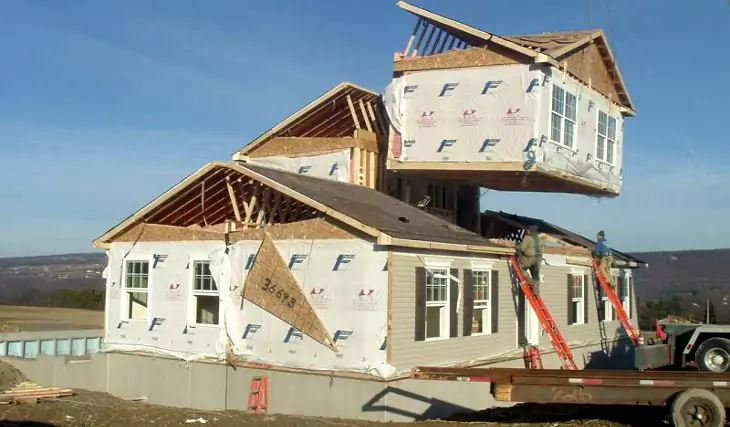
Last year, the production of prefabricated homes in Australia rose drastically. In an effort to fulfil orders, many manufacturers began to produce components for modular homes, pushing advanced CNC machines to their limits.
But even with the most sophisticated CNC machines running at full capacity, supply can’t satisfy demand. Australia’s housing crisis is ongoing – and it’s going to take a leap in manufacturing technology to close the gap. Here’s how.
Prefab home manufacturing in Australia: an overview
Right now, Australian manufacturers across all industries are producing modular components for prefab homes. These “standard components” are made to design specifications from developers, with little to no alterations on orders.
The CAD file goes to the CNC, the CNC produces the parts, and then they’re taken off the machine for finishing.
Currently, that finishing is more manual than automated. That’s a bottleneck in the scheme of things – and there is a way to remove it and unlock greater yields.
The answer lies with robots.
Robots and prefabricated homes
While robots are relatively new to Australia, they’re a normal sight in overseas factories. In the production of prefab homes, these robots do everything from finishing parts to transporting and assembling them.
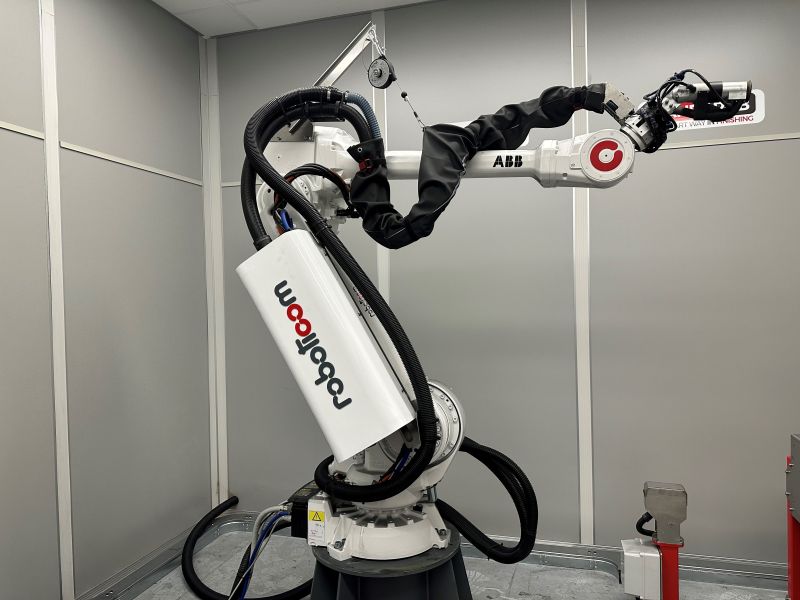
Finishing is an especially important role. Robots like the Sandrob sand, polish, and finish the surfaces they’re working on with accuracy and efficiency, completing parts in record time. That means developers get the ready-to-assemble parts sooner – and more orders get sent back.
This one process, robotic sanding, makes a massive impact to the overall workflow, while also keeping workers out of harm’s way. Yet, adoption of sanding robots is still new to Australian factories.
What happens when they become integrated into the factory flow?
Smoother, safer prefab home production
If you’ve been paying attention to trends in prefabricated homes, you’ll know how competitive the industry has become. Overseas manufacturers quote production runs that are done in weeks, if not days. The only way to achieve those results is through serious automation, with robotic integration as a key part of the process.
Working synergistically, CNC machines and robots are a dream team. CNCs do the cutting, while robots do the repetitive detail work, each playing their strengths. The difference in productivity is massive – and worker safety is greatly improved, too.
No matter the industry; whether stone, glass, or advanced materials, this setup is key – and it’s here to stay.
If Australian companies are to compete with foreign modular home manufacturers, the CNC + robot setup is their only way to do so. The question is, will you face the discomfort of change in order to reap the rewards?
Get in touch
Looking for the right product for you, reach to our experts and let’s chat.

