
2026 Stone Industry Forecast

For decades, Australia’s Stone industry has been going strong. The past few years have seen major disruptions, changing the way shops work, and presenting new opportunities.
As 2026 unfolds, the window of opportunity now open will begin to close. There are three main ways you can take advantage of them.
The Zero Silica Advantage
Since the ban on engineered stone took effect on July 1, 2024, stone shops have had to adapt. Many have switched from engineered stone to harder natural materials like quartzite or try new materials like Zero Silica slabs.
With high compliance costs and penalties resulting from inadequate safety practices, many stonecutters have invested in waterjets, PPEs, and air testing to ensure silica content stays low. Dry cutting, if done at all, is being decreased to absolute minims; with companies like SP Stone having decreased theirs by an impressive 95%.
Now, the debate is: should low silica materials be as strictly regulated as engineered stone is?
Design Direction

Australia’s housing and architecture are in the dawn of a new era. Design direction is impacting factories, with manufacturers changing to adapting to new demands.
Prefabricated homes are on the rise, with requests for ready-to-install countertops growing. The more streamlined the production process, the more appealing it is for developers to work with shops – and details matter.
The general trend across industries is more niche production, and the stone industry is no exception. Many stonecutters are investing in specialised machines to handle repetitive, time-consuming tasks; while also keeping high-performing “generalist” machines like waterjets on board.
Over the past year, there has been a lot of interest in small-footprint machines like the Electa, as well as Bovone’s 9+1, designed specifically for countertop production.
Curves & Complexity

Another design driver currently blossoming throughout the industry is curved work. Architects and designers are favouring this style, which requires specialised skill, tools, and machinery to carry out. Learning more on the sculptural side, these pieces call for 5/6 axis machining, plus plenty of knowledge on how to work with marble, granite, and other natural materials. The CMS Maxima has proven to be an excellent machine for this type of work, producing sculptural forms with ease.
The updated Maxima, released last year, has raised a great deal of interest. Read about it here if you haven’t already.
Automating the Future
Last year, automation digitisation, and robotics began to enter the Stone industry. These innovations have caused a stir – and the technology gap is now becoming even wider.
While the skill of hand-crafted stonework will always hold value, those who have the machinery for high-volume production are shooting ahead. All the while, they are collecting data from production runs and finding ways to fine-tune the entire process.
That in itself is a gold mine of information. Safe to say, leveraging this information is a major competitive advantage for the future.
The Forecast
2026 is set to be a big year, with widening gaps between stonemasons across Australia. These gaps are emerging as a result of technological leaps, plus strategic implementation; which gives you plenty of opportunity to carve out your niche.
Sitting down and creating a strategy for the next 12 months is well worth your time and effort. Feel free to chat with us and ask what others are doing!
Related Articles
 https://innovync.com.au/wp-content/uploads/2026/09/robot-arm-grippers-for-industry-in-factory.jpg
788
1400
Nicole Sherwin
https://innovync.com.au/wp-content/uploads/2022/07/Innovync-logo.png
Nicole Sherwin2026-04-29 13:49:072026-09-17 12:24:09Manufacturing Robots: The Good, The Bad, and The In-Between
https://innovync.com.au/wp-content/uploads/2026/09/robot-arm-grippers-for-industry-in-factory.jpg
788
1400
Nicole Sherwin
https://innovync.com.au/wp-content/uploads/2022/07/Innovync-logo.png
Nicole Sherwin2026-04-29 13:49:072026-09-17 12:24:09Manufacturing Robots: The Good, The Bad, and The In-Between https://innovync.com.au/wp-content/uploads/2026/04/byd-assembly-line.jpg
1080
1920
Nicole Sherwin
https://innovync.com.au/wp-content/uploads/2022/07/Innovync-logo.png
Nicole Sherwin2026-04-29 13:31:062026-09-17 12:24:09The Rise of Dark Factories
https://innovync.com.au/wp-content/uploads/2026/04/byd-assembly-line.jpg
1080
1920
Nicole Sherwin
https://innovync.com.au/wp-content/uploads/2022/07/Innovync-logo.png
Nicole Sherwin2026-04-29 13:31:062026-09-17 12:24:09The Rise of Dark Factories https://innovync.com.au/wp-content/uploads/2026/02/curved-stonework.jpg
920
736
Nicole Sherwin
https://innovync.com.au/wp-content/uploads/2022/07/Innovync-logo.png
Nicole Sherwin2026-02-23 16:49:352026-09-17 12:24:102026 Stone Industry Forecast
https://innovync.com.au/wp-content/uploads/2026/02/curved-stonework.jpg
920
736
Nicole Sherwin
https://innovync.com.au/wp-content/uploads/2022/07/Innovync-logo.png
Nicole Sherwin2026-02-23 16:49:352026-09-17 12:24:102026 Stone Industry Forecast https://innovync.com.au/wp-content/uploads/2025/07/systron-Processing-of-Thick-Jumbo-Glass_4.jpg
1050
1500
Nicole Sherwin
https://innovync.com.au/wp-content/uploads/2022/07/Innovync-logo.png
Nicole Sherwin2026-02-23 16:41:192026-09-17 12:24:102026 Glass Industry Forecast
https://innovync.com.au/wp-content/uploads/2025/07/systron-Processing-of-Thick-Jumbo-Glass_4.jpg
1050
1500
Nicole Sherwin
https://innovync.com.au/wp-content/uploads/2022/07/Innovync-logo.png
Nicole Sherwin2026-02-23 16:41:192026-09-17 12:24:102026 Glass Industry Forecast https://innovync.com.au/wp-content/uploads/2026/01/2025-Three-Completed-Ghost-Shark-Prototypes-scaled.jpg.webp
1107
2048
Nicole Sherwin
https://innovync.com.au/wp-content/uploads/2022/07/Innovync-logo.png
Nicole Sherwin2026-02-23 16:29:502026-09-17 12:24:102026 Advanced Materials & Plastics Industry Forecast
https://innovync.com.au/wp-content/uploads/2026/01/2025-Three-Completed-Ghost-Shark-Prototypes-scaled.jpg.webp
1107
2048
Nicole Sherwin
https://innovync.com.au/wp-content/uploads/2022/07/Innovync-logo.png
Nicole Sherwin2026-02-23 16:29:502026-09-17 12:24:102026 Advanced Materials & Plastics Industry Forecast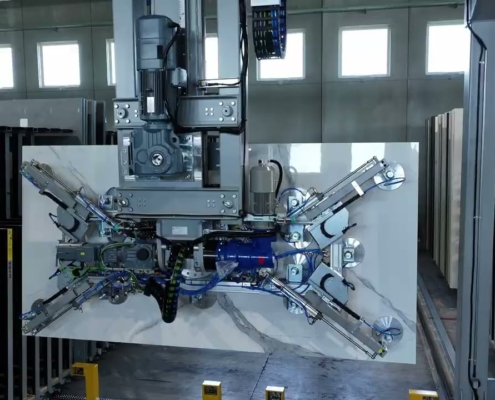 https://innovync.com.au/wp-content/uploads/2024/08/automatic-slab-storage-system-with-gantry-crane.jpg
720
1280
Nicole Sherwin
https://innovync.com.au/wp-content/uploads/2022/07/Innovync-logo.png
Nicole Sherwin2026-02-23 14:53:232026-09-17 12:24:11Robotic Materials Handling: The secret to a growth boom?
https://innovync.com.au/wp-content/uploads/2024/08/automatic-slab-storage-system-with-gantry-crane.jpg
720
1280
Nicole Sherwin
https://innovync.com.au/wp-content/uploads/2022/07/Innovync-logo.png
Nicole Sherwin2026-02-23 14:53:232026-09-17 12:24:11Robotic Materials Handling: The secret to a growth boom? https://innovync.com.au/wp-content/uploads/2026/01/Assembly-of-modular-home.webp
427
730
Nicole Sherwin
https://innovync.com.au/wp-content/uploads/2022/07/Innovync-logo.png
Nicole Sherwin2026-01-13 11:00:042026-09-17 12:24:11Why Robotics Are the Missing Link in Australia’s Prefab Housing Boom
https://innovync.com.au/wp-content/uploads/2026/01/Assembly-of-modular-home.webp
427
730
Nicole Sherwin
https://innovync.com.au/wp-content/uploads/2022/07/Innovync-logo.png
Nicole Sherwin2026-01-13 11:00:042026-09-17 12:24:11Why Robotics Are the Missing Link in Australia’s Prefab Housing Boom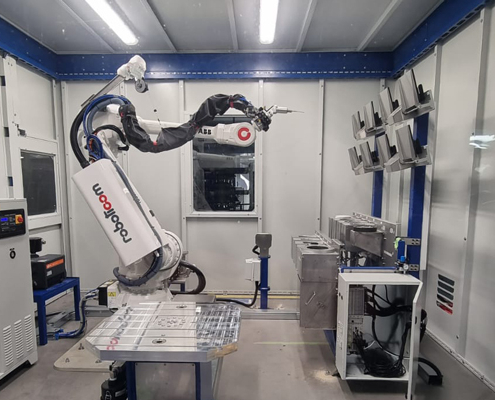 https://innovync.com.au/wp-content/uploads/2025/09/SandRob-7-axes.jpg
400
700
Nicole Sherwin
https://innovync.com.au/wp-content/uploads/2022/07/Innovync-logo.png
Nicole Sherwin2025-12-09 13:12:062026-09-17 12:24:12Robotics replacements Myth or Manufacturing Reality?
https://innovync.com.au/wp-content/uploads/2025/07/systron-Processing-of-Thick-Jumbo-Glass_4.jpg
1050
1500
Nicole Sherwin
https://innovync.com.au/wp-content/uploads/2022/07/Innovync-logo.png
Nicole Sherwin2025-12-09 12:47:202026-09-17 12:24:12Glass Manufacturing Trends 2026 and Beyond
https://innovync.com.au/wp-content/uploads/2025/09/SandRob-7-axes.jpg
400
700
Nicole Sherwin
https://innovync.com.au/wp-content/uploads/2022/07/Innovync-logo.png
Nicole Sherwin2025-12-09 13:12:062026-09-17 12:24:12Robotics replacements Myth or Manufacturing Reality?
https://innovync.com.au/wp-content/uploads/2025/07/systron-Processing-of-Thick-Jumbo-Glass_4.jpg
1050
1500
Nicole Sherwin
https://innovync.com.au/wp-content/uploads/2022/07/Innovync-logo.png
Nicole Sherwin2025-12-09 12:47:202026-09-17 12:24:12Glass Manufacturing Trends 2026 and BeyondGet in touch
Looking for the right product for you, reach to our experts and let’s chat.

