
Maximising machinery tooling
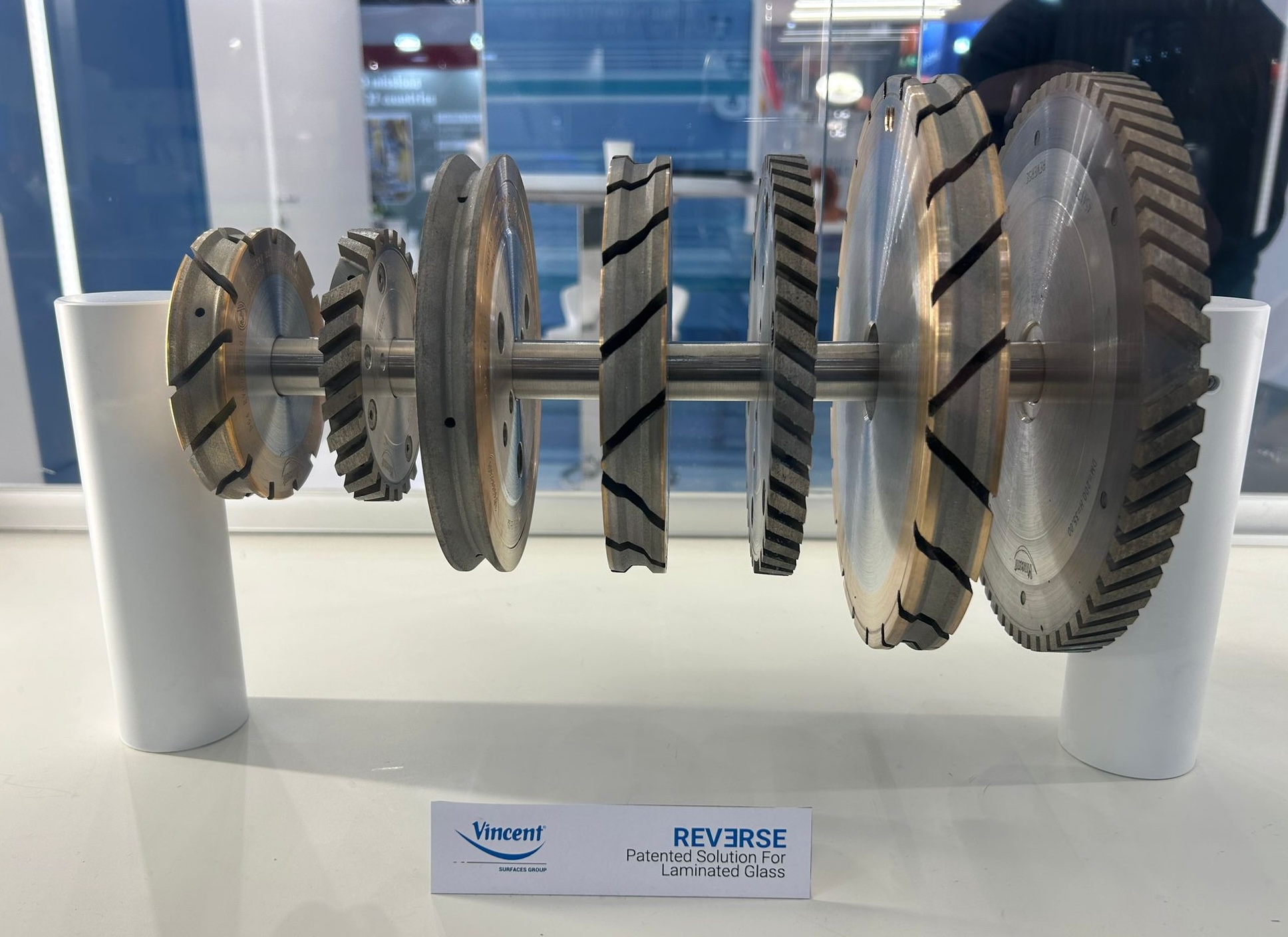
Getting the most from machinery tooling comes down to three things: keeping the machine itself well maintained and correctly programmed, dialling in the right feed speed, RPM and cooling for the job, and choosing tooling built for the material and finish you need. Machinery tooling is one of the biggest factors in the production process. It’s also one of the biggest consumables in a factory, and those expenses add up. While tooling is part of the day-to-day discussion, it’s rarely set up for optimal efficiency. The process takes a little time and effort initially, and it’s well worth investing in. Think of it like habit stacking for specific applications. Once the formula is set, it’s in place indefinitely, providing optimal efficiency and extending the lifespan of tools across the board.
Key takeaways
- Tooling is one of a factory’s biggest ongoing consumable costs, so getting it right protects both budget and finish quality.
- Machine maintenance, correct CNC programming, and material-matched tool selection come before any parameter tweaking.
- Feed speed, RPM, and cooling all need to be balanced together, not adjusted in isolation.
- Premium tooling, such as products from Vincent and Marmoelettromeccanica, can outlast cheaper alternatives when the surrounding setup is right.
Machinery tooling: the groundwork
Optimising machine tooling doesn’t always centre around drill bits, cutting heads, and polishing wheels. It starts with the machine itself, the one constant in every production process. Key factors to check are:
- That the machine is well maintained
- Correct programming of CNC machines
- Selecting the right tools for the material and job
If you’re unsure about any of the above, our technicians are here to help. Just give us a call and run your question past them. If anything needs correcting, we’ll send them out ASAP.
Optimising machine tooling parameters
Optimal tooling parameters aren’t a one-size-fits-all setting. They depend on a variety of factors, including the material being worked on, the particular part of a project, and the end finish. Knowing which parameters to use at the right time can take some experimentation. Tinkering with the settings is a process, and the end results are well worth the effort. The process is no different to an athlete perfecting their technique, except that once the right parameters are set, they perform the same way in each production cycle. Here’s what to look out for.
Feed speeds
One of the biggest factors for tool longevity is feed speed, also called feed rate. This is the rate at which the tool moves through material, removing it as it goes. If the chips, or material removed, are cut at a rate that is too fast, the tool can become bogged down and break. If it moves too slow, the tool creates friction by rubbing against the material rather than cutting, dulling its edges. Finding the sweet spot is the goal. Look for the moment where machining runs at a smooth, steady rate without chips hindering its progress. The finish you achieve is a great success indicator. Deep tool marks are a dead giveaway for a feed rate that’s too fast, and they mean more post-processing. Look instead for smooth, consistent surfaces.
RPMs
Revolutions Per Minute, or RPM, is another major factor that affects tool life. As the drill, cutting head, or wheel spins, it creates friction and heat. Too high an RPM can damage the material being worked on. Too slow an RPM will create dullness and shorten the tool’s life. Surface Feet per Minute, or SFM, is the standard formula used to calculate optimal RPMs, though deviations exist across materials. We recommend using Kennametal’s published speed and feed guidance as a general baseline, then adjusting to produce optimal results for the materials and jobs you’re running.
Cooling parameters
Wherever there is heat and friction, there is a need for cooling. The question is: how much? Knowledge of material properties and coolant types is essential here. As UKAM’s guide to diamond tool coolants explains, coolant does two separate jobs: controlling temperature and reducing friction at the cutting edge, and getting that balance right is what protects both the finish and the tool. Slip, or lubricity, is a factor to watch out for. When paired with the right material and cutting parameters, the results can be excellent.
Price vs value
Of all equipment purchases, tooling is one of the biggest ongoing expenses. Premium parts with diamond cutting technology are priced at the higher end of the spectrum. The cheapest tool on paper is not always the cheapest tool in practice, since price and tool life alone don’t capture how much capability a tool actually delivers. While upfront costs may be higher, they aren’t always the most expensive overall. When taken care of properly, premium-grade stone tooling and glass tooling, like the products produced by Vincent and Marmoelettromeccanica, can outlast cheaper bits while elevating finish quality. The key is to create the environment in which they can perform at their best. Checking the factors above is the tried-and-true path to achieving these results. When paired with the right tooling purchase, these techniques can transform your output over time, streamlining cycle times, end quality, and expenditure.
Frequently Asked Questions
How often should I check my machine’s tooling parameters?
It’s worth reviewing feed speed, RPM, and cooling settings whenever the material, part, or desired finish changes, rather than relying on one fixed setting for every job. Regular checks also catch drift caused by wear before it affects finish quality.
What is the ideal feed speed for CNC tooling?
There is no single ideal feed speed. The right rate depends on the material and tool, and it sits at the point where machining runs smoothly without bogging the tool down or generating excess friction. Watching the finish, rather than the setting alone, is the most reliable way to tell if it’s right.
Why does RPM affect tool life?
RPM controls how much friction and heat the tool generates as it spins. Too high an RPM can damage the material, while too low an RPM causes dulling, so both extremes shorten tool life.
Is premium tooling worth the extra cost?
Premium tooling, such as diamond-tipped parts from suppliers like Vincent and Marmoelettromeccanica, costs more upfront but can outlast cheaper alternatives and produce a better finish when the machine, programming, and parameters around it are also right.
Who can help me optimise my machinery tooling setup?
Our technicians can talk through your current setup over the phone and correct anything that needs adjusting, including machine maintenance, CNC programming, and tool selection for your specific material and job.
Related Articles
 https://innovync.com.au/wp-content/uploads/2026/06/Website-Headers.png
600
1920
Nicole Sherwin
https://innovync.com.au/wp-content/uploads/2022/07/Innovync-logo.png
Nicole Sherwin2026-06-18 14:07:482026-06-18 14:07:48Australian Manufacturing Grants Guide: Spotlight on the $79.1M Transforming Queensland Program
https://innovync.com.au/wp-content/uploads/2026/06/Website-Headers.png
600
1920
Nicole Sherwin
https://innovync.com.au/wp-content/uploads/2022/07/Innovync-logo.png
Nicole Sherwin2026-06-18 14:07:482026-06-18 14:07:48Australian Manufacturing Grants Guide: Spotlight on the $79.1M Transforming Queensland Program https://innovync.com.au/wp-content/uploads/2026/06/9bca65cb-351a-47ca-b32f-6eda021c189b-scaled.jpeg
1708
2560
Nicole Sherwin
https://innovync.com.au/wp-content/uploads/2022/07/Innovync-logo.png
Nicole Sherwin2026-06-18 13:31:492026-06-18 13:31:50Service: the biggest competitive factor in manufacturing
https://innovync.com.au/wp-content/uploads/2026/06/9bca65cb-351a-47ca-b32f-6eda021c189b-scaled.jpeg
1708
2560
Nicole Sherwin
https://innovync.com.au/wp-content/uploads/2022/07/Innovync-logo.png
Nicole Sherwin2026-06-18 13:31:492026-06-18 13:31:50Service: the biggest competitive factor in manufacturing https://innovync.com.au/wp-content/uploads/2026/04/robot-arm-grippers-for-industry-in-factory-2025-03-12-01-17-48-utc-2.avif
788
1400
Nicole Sherwin
https://innovync.com.au/wp-content/uploads/2022/07/Innovync-logo.png
Nicole Sherwin2026-04-29 13:49:072026-04-29 13:49:14Manufacturing Robots: The Good, The Bad, and The In-Between
https://innovync.com.au/wp-content/uploads/2026/04/robot-arm-grippers-for-industry-in-factory-2025-03-12-01-17-48-utc-2.avif
788
1400
Nicole Sherwin
https://innovync.com.au/wp-content/uploads/2022/07/Innovync-logo.png
Nicole Sherwin2026-04-29 13:49:072026-04-29 13:49:14Manufacturing Robots: The Good, The Bad, and The In-Between https://innovync.com.au/wp-content/uploads/2026/04/byd-assembly-line.jpg
1080
1920
Nicole Sherwin
https://innovync.com.au/wp-content/uploads/2022/07/Innovync-logo.png
Nicole Sherwin2026-04-29 13:31:062026-04-29 13:31:07The Rise of Dark Factories
https://innovync.com.au/wp-content/uploads/2026/04/byd-assembly-line.jpg
1080
1920
Nicole Sherwin
https://innovync.com.au/wp-content/uploads/2022/07/Innovync-logo.png
Nicole Sherwin2026-04-29 13:31:062026-04-29 13:31:07The Rise of Dark Factories https://innovync.com.au/wp-content/uploads/2024/05/pexels-kateryna-babaieva-1423213-2760241-scaled.jpg
3475
5212
Nicole Sherwin
https://innovync.com.au/wp-content/uploads/2022/07/Innovync-logo.png
Nicole Sherwin2026-03-02 12:11:292026-03-02 12:11:30Transforming Queensland Manufacturing Grants: Up to $1.5M Available for Advanced Manufacturing Investment
https://innovync.com.au/wp-content/uploads/2024/05/pexels-kateryna-babaieva-1423213-2760241-scaled.jpg
3475
5212
Nicole Sherwin
https://innovync.com.au/wp-content/uploads/2022/07/Innovync-logo.png
Nicole Sherwin2026-03-02 12:11:292026-03-02 12:11:30Transforming Queensland Manufacturing Grants: Up to $1.5M Available for Advanced Manufacturing Investment https://innovync.com.au/wp-content/uploads/2026/02/curved-stonework.jpg
920
736
Nicole Sherwin
https://innovync.com.au/wp-content/uploads/2022/07/Innovync-logo.png
Nicole Sherwin2026-02-23 16:49:352026-02-23 16:49:352026 Stone Industry Forecast
https://innovync.com.au/wp-content/uploads/2026/02/curved-stonework.jpg
920
736
Nicole Sherwin
https://innovync.com.au/wp-content/uploads/2022/07/Innovync-logo.png
Nicole Sherwin2026-02-23 16:49:352026-02-23 16:49:352026 Stone Industry Forecast https://innovync.com.au/wp-content/uploads/2025/07/systron-Processing-of-Thick-Jumbo-Glass_4.jpg
1050
1500
Nicole Sherwin
https://innovync.com.au/wp-content/uploads/2022/07/Innovync-logo.png
Nicole Sherwin2026-02-23 16:41:192026-02-23 16:41:202026 Glass Industry Forecast
https://innovync.com.au/wp-content/uploads/2025/07/systron-Processing-of-Thick-Jumbo-Glass_4.jpg
1050
1500
Nicole Sherwin
https://innovync.com.au/wp-content/uploads/2022/07/Innovync-logo.png
Nicole Sherwin2026-02-23 16:41:192026-02-23 16:41:202026 Glass Industry Forecast https://innovync.com.au/wp-content/uploads/2026/01/2025-Three-Completed-Ghost-Shark-Prototypes-scaled.jpg.webp
1107
2048
Nicole Sherwin
https://innovync.com.au/wp-content/uploads/2022/07/Innovync-logo.png
Nicole Sherwin2026-02-23 16:29:502026-02-23 16:29:512026 Advanced Materials & Plastics Industry Forecast
https://innovync.com.au/wp-content/uploads/2026/01/2025-Three-Completed-Ghost-Shark-Prototypes-scaled.jpg.webp
1107
2048
Nicole Sherwin
https://innovync.com.au/wp-content/uploads/2022/07/Innovync-logo.png
Nicole Sherwin2026-02-23 16:29:502026-02-23 16:29:512026 Advanced Materials & Plastics Industry Forecast https://innovync.com.au/wp-content/uploads/2024/08/automatic-slab-storage-system-with-gantry-crane.jpg
720
1280
Nicole Sherwin
https://innovync.com.au/wp-content/uploads/2022/07/Innovync-logo.png
Nicole Sherwin2026-02-23 14:53:232026-02-23 14:53:23Robotic Materials Handling: The secret to a growth boom?
https://innovync.com.au/wp-content/uploads/2024/08/automatic-slab-storage-system-with-gantry-crane.jpg
720
1280
Nicole Sherwin
https://innovync.com.au/wp-content/uploads/2022/07/Innovync-logo.png
Nicole Sherwin2026-02-23 14:53:232026-02-23 14:53:23Robotic Materials Handling: The secret to a growth boom?Get in touch
Looking for the right product for you, reach to our experts and let’s chat.
