Robotic Materials Handling: The secret to a growth boom?
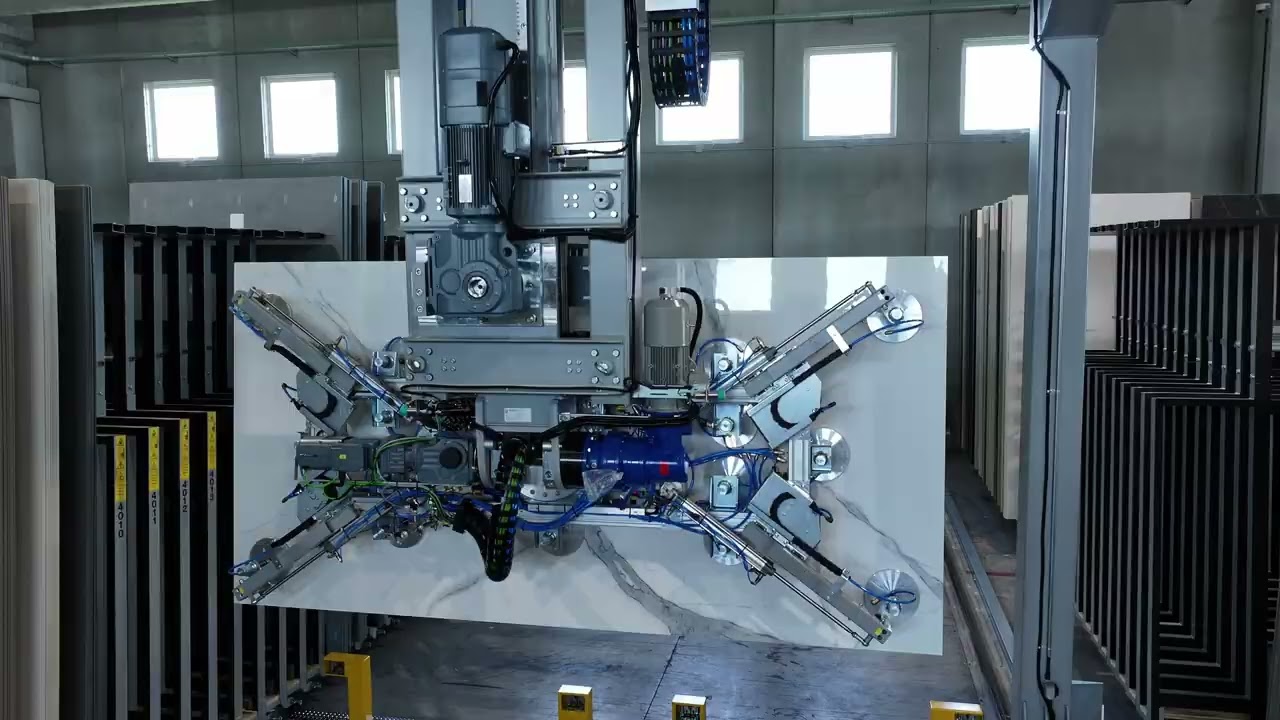
In a world where efficiency is everything, there is no room for clunky processes. That includes materials handling.
These days, having the latest machine solutions isn’t enough. Every part of the workflow needs to be optimised, from start to finish. And the time to act is now.
With China’s dark factories proving to the world that fully automated operations are possible, more manufacturers are leaning into automation. One of the first upgrades made by many shop owners – besides CNC machines – is in robots for materials handling. It’s not hard to see why.
Let’s get into it, shall we?
Materials handling solutions aren’t failsafe
Working in factories, no matter how good the safety practices are, has its risks. One of the greatest risks posed to employees is the loading and unloading of materials. Especially when they weigh tonnes.
Naturally, systems like Mistrello’s exist to make the process smoother, safer, and faster. However, not all materials handling solutions are made equal.
For this kind of work, robots make a massive impact. They carry heavy loads tirelessly, arrange materials neatly, and do it in a fraction of the time that labour does. Most importantly, they’re robots. So, if an accident does happen, there may be a price to pay – but that price isn’t someone’s life.
That’s a relief for many. With skilled labour in high demand, one employee down makes a major impact on operations.
On the other hand, safer factories attract more skilled labour. That’s definitely a competitive advantage in this day and age.
The need for speed
Machining time is easy to measure on a CNC. But what about the time it takes labourers to load a piece onto the machine bed?
Labour is human, and humans don’t work like machines. While that’s a good thing when complex contexts come up, it does leave room for improvement. Especially when speed is in question.
Imagine if you could halve the load and unload time in the space of a week. Better yet, imagine if that time could be consistent and predictable. What would the impact be on your overall output?
This often overlooked step is key to success in the long run – and the best solution is to bring robots into the picture. They don’t mind the monotony of putting pieces on a bed and taking them off all day long. Humans, for the most part, crave something more.
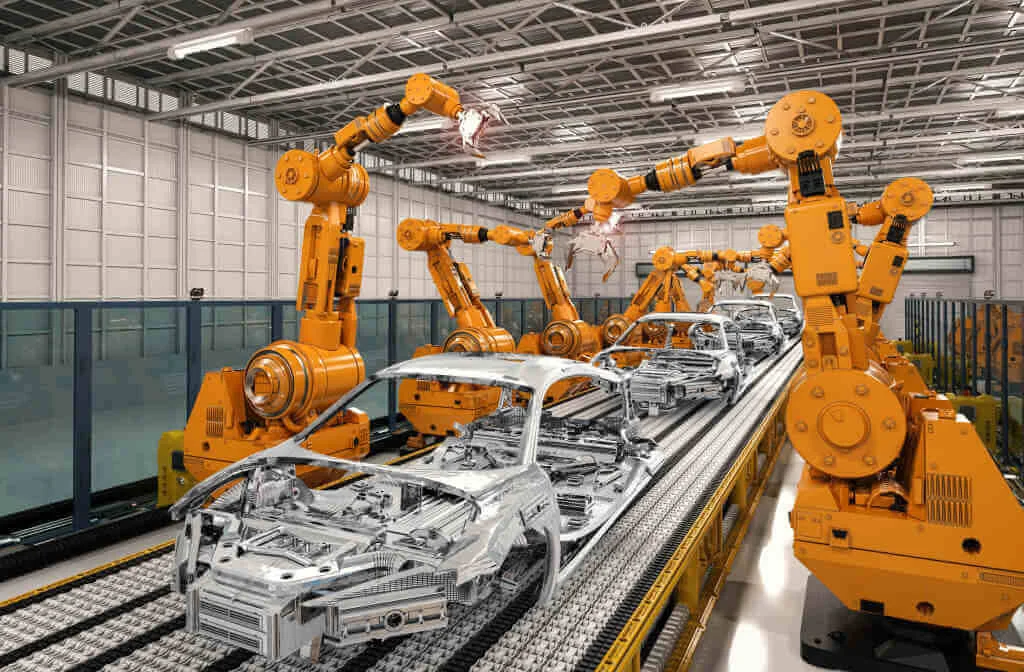
robotics automation line
The proof is present
We can confidently say that the practice of robotics for materials handling isn’t just theory. All over the globe – and especially in China – factories are proving that it’s not only possible, but also a smart way to optimise your workflow.
While Australia is far behind China in that regard, that’s about to change. Options like Roboticom’s models have recently come onto the local market, and we’re seeing increasing demand for them.
There is a learning curve to such robots. It starts with knowing which to choose. If you’re curious about the possibilities, ask us what we’d recommend for you.
Related Articles
 https://innovync.com.au/wp-content/uploads/2026/02/curved-stonework.jpg
920
736
Nicole Sherwin
https://innovync.com.au/wp-content/uploads/2022/07/Innovync-logo.png
Nicole Sherwin2026-02-23 16:49:352026-02-23 16:49:352026 Stone Industry Forecast
https://innovync.com.au/wp-content/uploads/2026/02/curved-stonework.jpg
920
736
Nicole Sherwin
https://innovync.com.au/wp-content/uploads/2022/07/Innovync-logo.png
Nicole Sherwin2026-02-23 16:49:352026-02-23 16:49:352026 Stone Industry Forecast https://innovync.com.au/wp-content/uploads/2025/07/systron-Processing-of-Thick-Jumbo-Glass_4.jpg
1050
1500
Nicole Sherwin
https://innovync.com.au/wp-content/uploads/2022/07/Innovync-logo.png
Nicole Sherwin2026-02-23 16:41:192026-02-23 16:41:202026 Glass Industry Forecast
https://innovync.com.au/wp-content/uploads/2025/07/systron-Processing-of-Thick-Jumbo-Glass_4.jpg
1050
1500
Nicole Sherwin
https://innovync.com.au/wp-content/uploads/2022/07/Innovync-logo.png
Nicole Sherwin2026-02-23 16:41:192026-02-23 16:41:202026 Glass Industry Forecast https://innovync.com.au/wp-content/uploads/2026/01/2025-Three-Completed-Ghost-Shark-Prototypes-scaled.jpg.webp
1107
2048
Nicole Sherwin
https://innovync.com.au/wp-content/uploads/2022/07/Innovync-logo.png
Nicole Sherwin2026-02-23 16:29:502026-02-23 16:29:512026 Advanced Materials & Plastics Industry Forecast
https://innovync.com.au/wp-content/uploads/2026/01/2025-Three-Completed-Ghost-Shark-Prototypes-scaled.jpg.webp
1107
2048
Nicole Sherwin
https://innovync.com.au/wp-content/uploads/2022/07/Innovync-logo.png
Nicole Sherwin2026-02-23 16:29:502026-02-23 16:29:512026 Advanced Materials & Plastics Industry Forecast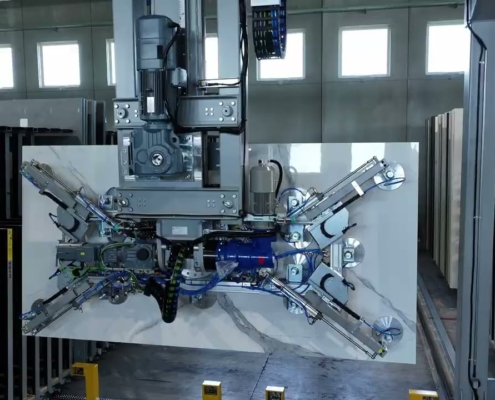 https://innovync.com.au/wp-content/uploads/2024/08/automatic-slab-storage-system-with-gantry-crane.jpg
720
1280
Nicole Sherwin
https://innovync.com.au/wp-content/uploads/2022/07/Innovync-logo.png
Nicole Sherwin2026-02-23 14:53:232026-02-23 14:53:23Robotic Materials Handling: The secret to a growth boom?
https://innovync.com.au/wp-content/uploads/2024/08/automatic-slab-storage-system-with-gantry-crane.jpg
720
1280
Nicole Sherwin
https://innovync.com.au/wp-content/uploads/2022/07/Innovync-logo.png
Nicole Sherwin2026-02-23 14:53:232026-02-23 14:53:23Robotic Materials Handling: The secret to a growth boom? https://innovync.com.au/wp-content/uploads/2026/01/Assembly-of-modular-home.webp
427
730
Nicole Sherwin
https://innovync.com.au/wp-content/uploads/2022/07/Innovync-logo.png
Nicole Sherwin2026-01-13 11:00:042026-01-13 11:00:05Why Robotics Are the Missing Link in Australia’s Prefab Housing Boom
https://innovync.com.au/wp-content/uploads/2026/01/Assembly-of-modular-home.webp
427
730
Nicole Sherwin
https://innovync.com.au/wp-content/uploads/2022/07/Innovync-logo.png
Nicole Sherwin2026-01-13 11:00:042026-01-13 11:00:05Why Robotics Are the Missing Link in Australia’s Prefab Housing Boom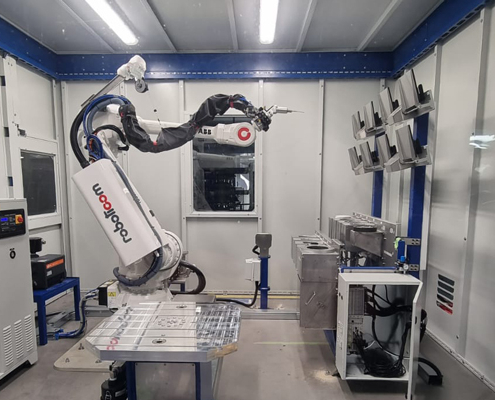 https://innovync.com.au/wp-content/uploads/2025/09/SandRob-7-axes.jpg
400
700
Nicole Sherwin
https://innovync.com.au/wp-content/uploads/2022/07/Innovync-logo.png
Nicole Sherwin2025-12-09 13:12:062025-12-09 13:12:06Robotics replacements Myth or Manufacturing Reality?
https://innovync.com.au/wp-content/uploads/2025/07/systron-Processing-of-Thick-Jumbo-Glass_4.jpg
1050
1500
Nicole Sherwin
https://innovync.com.au/wp-content/uploads/2022/07/Innovync-logo.png
Nicole Sherwin2025-12-09 12:47:202025-12-09 13:59:37Glass Manufacturing Trends 2026 and Beyond
https://innovync.com.au/wp-content/uploads/2025/09/SandRob-7-axes.jpg
400
700
Nicole Sherwin
https://innovync.com.au/wp-content/uploads/2022/07/Innovync-logo.png
Nicole Sherwin2025-12-09 13:12:062025-12-09 13:12:06Robotics replacements Myth or Manufacturing Reality?
https://innovync.com.au/wp-content/uploads/2025/07/systron-Processing-of-Thick-Jumbo-Glass_4.jpg
1050
1500
Nicole Sherwin
https://innovync.com.au/wp-content/uploads/2022/07/Innovync-logo.png
Nicole Sherwin2025-12-09 12:47:202025-12-09 13:59:37Glass Manufacturing Trends 2026 and Beyond https://innovync.com.au/wp-content/uploads/2025/10/Screenshot-2025-11-03-at-1.27.34 pm.png
1466
2038
Nicole Sherwin
https://innovync.com.au/wp-content/uploads/2022/07/Innovync-logo.png
Nicole Sherwin2025-10-15 20:00:032025-11-03 13:30:07Innovation Abroad: What Europe’s Manufacturing Evolution Means for Australia
https://innovync.com.au/wp-content/uploads/2025/10/Screenshot-2025-11-03-at-1.27.34 pm.png
1466
2038
Nicole Sherwin
https://innovync.com.au/wp-content/uploads/2022/07/Innovync-logo.png
Nicole Sherwin2025-10-15 20:00:032025-11-03 13:30:07Innovation Abroad: What Europe’s Manufacturing Evolution Means for Australia https://innovync.com.au/wp-content/uploads/2025/11/Screenshot-2025-11-03-at-1.10.34 pm.png
872
1181
Nicole Sherwin
https://innovync.com.au/wp-content/uploads/2022/07/Innovync-logo.png
Nicole Sherwin2025-10-15 15:39:052025-11-03 13:36:34Inside Marmomac 2025: The Future of Stone Is Here
https://innovync.com.au/wp-content/uploads/2025/11/Screenshot-2025-11-03-at-1.10.34 pm.png
872
1181
Nicole Sherwin
https://innovync.com.au/wp-content/uploads/2022/07/Innovync-logo.png
Nicole Sherwin2025-10-15 15:39:052025-11-03 13:36:34Inside Marmomac 2025: The Future of Stone Is HereGet in touch
Looking for the right product for you, reach to our experts and let’s chat.

